0
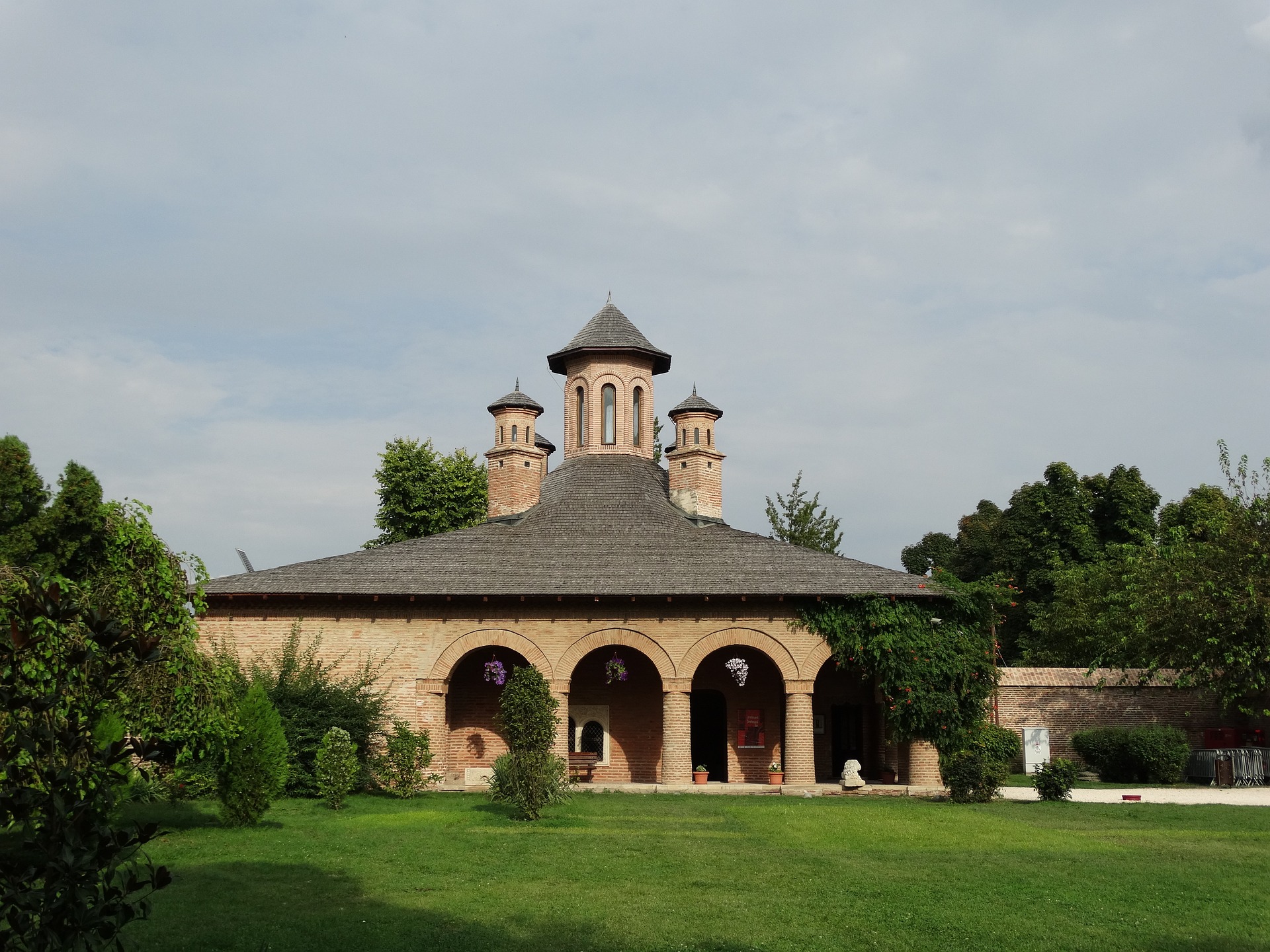
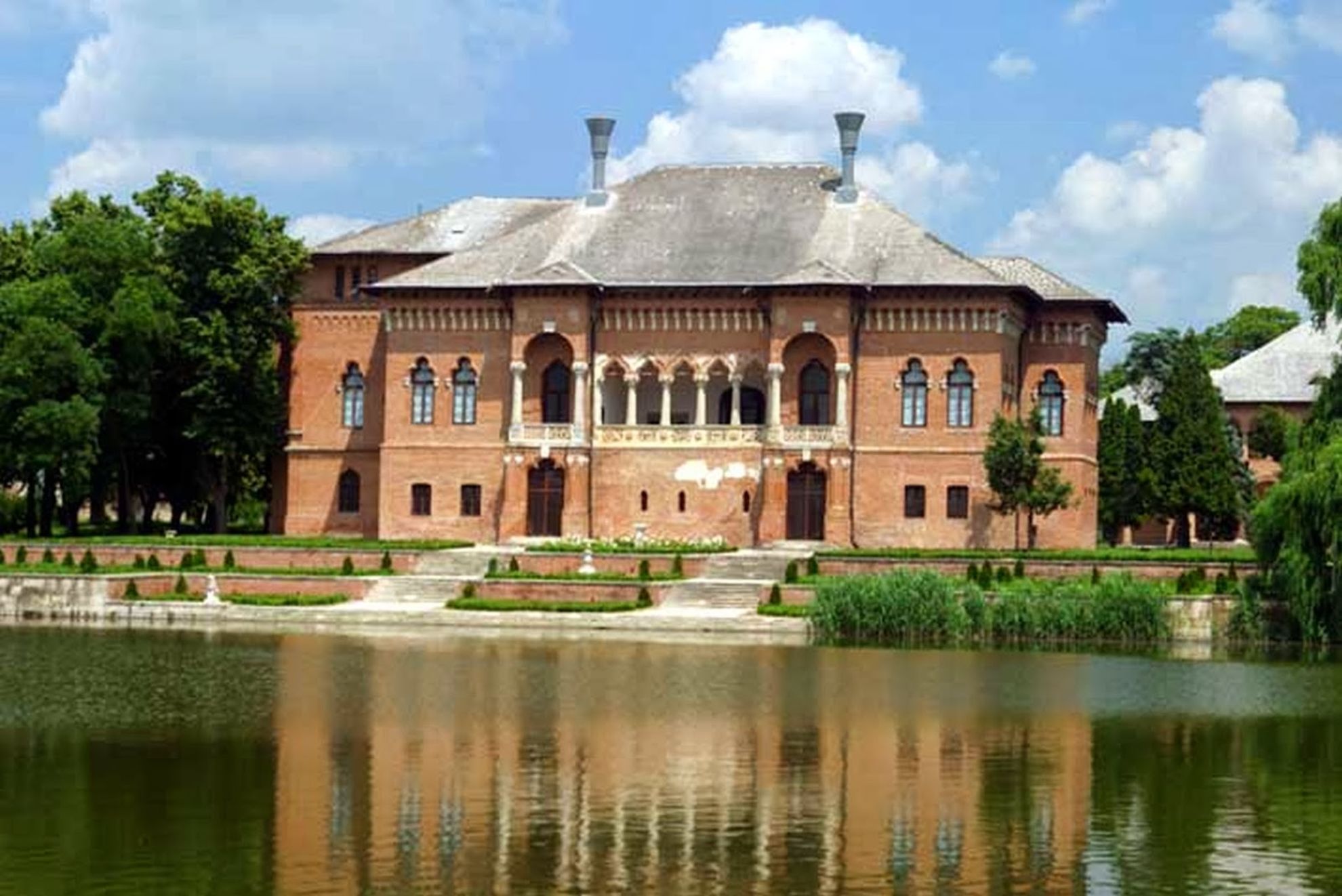
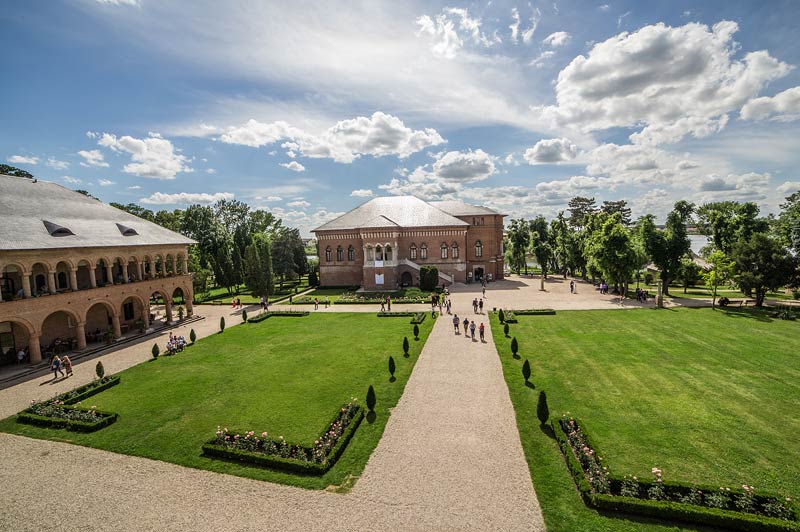
Departure will be made directly from the hotel at the set time, departure to Mogosoaia Palace, located 15 km from Bucharest. The palace is built by Constantin Brâncoveanu, with the apartments of the princely family on the first floor, which can be reached directly from the courtyard on an external staircase leading to a balcony located on the facade. The atmosphere here sends you directly to 1702, when it was built. The silence and the fresh air make you feel like in a story.
The next stop will be at the Snagov Monastery (historical monument), this being built in Byzantine style with decorative elements in Romanian style, documented in 1408, built on an island in Lake Snagov. The landscape and the church create an impressive picture that is worth seeing.
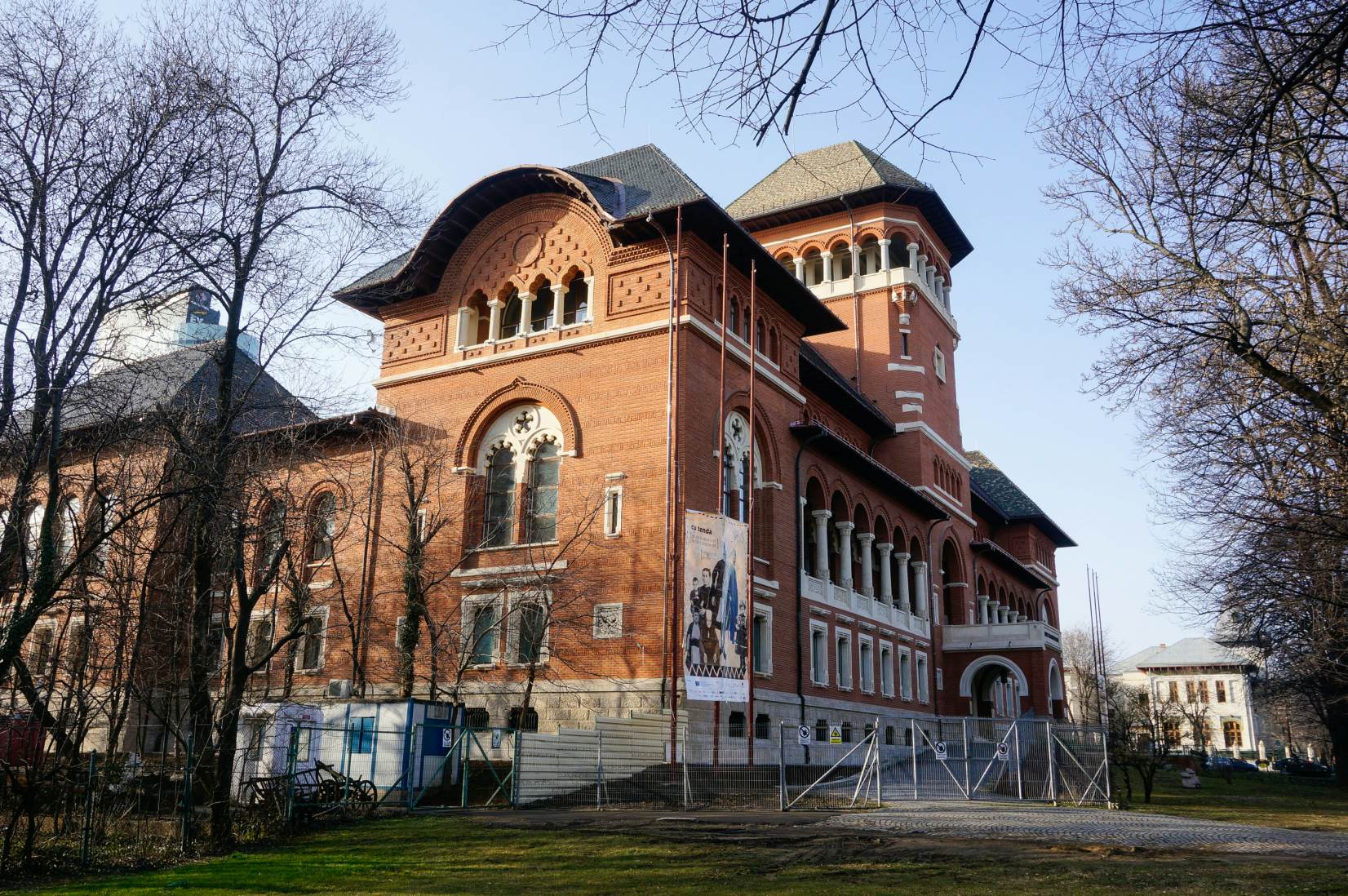
The National Museum of the Village – Built in 1936, “Museum in the heart of the capital”, built on an area of 14 hectares. It is inspired by the traditional life of the Romanian peasant, presented in great detail, from the clothes to the houses where they lived. It attracts 500,000 visitors annually.
Bucharest
10 Minutes Before Event Time
Depart from your hotel to Mogoșoaia Palace, a stunning 1702 Brâncovenesc-style estate filled with history and charm. Next, visit the Snagov Monastery, a Byzantine-style gem on an island in Lake Snagov, offering breathtaking scenery. End your journey at The National Museum of the Village, a fascinating open-air museum showcasing traditional Romanian life. A perfect blend of history, culture, and nature!
Tour the majestic Mogosoaia Palace, admiring its exquisite Brâncovenesc architecture and exploring the lush palace gardens.
Discover the history and stories behind this architectural gem.
Take a break and enjoy some local Romanian cuisine at a nearby restaurant (not included in the tour price).
Visit the National Village Museum, an open-air ethnographic museum showcasing traditional Romanian village life.
Wander through the recreated village settings and learn about the historical significance of the rural structures.